IN SPITE OF THE GODS
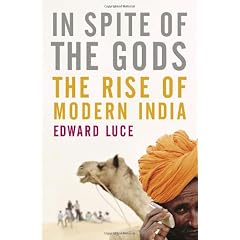
IN SPITE OF THE GODS
The Strange Rise of Modern India
By Edward Luce
Doubleday; 383pp; $26
The Good A graphic, and deeply personal, portrayal of India today.
The Bad The author's prescriptions for change are hardly profound.
The Bottom Line A balanced chronicle of the often contradictory dynamics that are driving the country.
James Paul, 29, is emblematic of India's new dynamism. The son of lower-middle-class Christian schoolteachers from the southern state of Kerala, he is a graduate of the elite Indian Institute of Technology in Mumbai. His parents were forced to take out a loan to fund his $120-per-term tuition. It paid off: Paul now manages a 1,500-person business unit at Bangalore software giant InfoSys Technologies Ltd. (INFY ), where he was hired in 1998. His salary has jumped tenfold in a decade, to $50,000, a huge sum given the area's low cost of living.
India, as anyone who hasn't had his eyeballs permanently affixed to a Sony PlayStation knows, is an economic juggernaut. In 2005, while launching its first bank in the country, General Electric Co. (GE ) projected double-digit revenue growth in Indian banking far into the future. "No one blinked," observes author Edward Luce. But weighing against GE's glowing assessment is the nation's widespread poverty: More than 300 million people live in squalor in the country's 680,000 villages, where both land and water are in short supply. Many homes are made with buffalo dung and feature charcoal hearths whose fumes worsen the symptoms of a prevalent disease, tuberculosis. Only 65% of the population can read, and in the villages that number falls as low as 33%. (China's literacy rate is 90%.)
source: businessweek

No comments:
Post a Comment